
 +55 11 2344 7100
 +55 11 99943-9114












































LEED x Sustainability
Sustainability is part of our daily lives.
LEED – Leadership in Energy and Environmental Design, developed by the US Green Building Council and promoted nationally by the Green Building Council Brazil (GBC Brasil). The practices required for LEED certification, for a project to be considered a green building, encompass the design, construction, operation, and maintenance phases of a building.
It is simply a classification system for certifying Green Buildings, that is, buildings that have been designed and constructed using sustainability strategies in the use of energy, water, reduction of CO2 emissions, improvement of internal and external environmental quality, resource management, reduction of the environmental impact of products and materials used, among others.
Beginning in 1995, the COP (Conference of the Parties), held by the United Nations (UN) between November 7th and 18th, will reach its 27th edition in 2022.
Considered one of the most important climate change events in the world, the COP is held annually in different countries each year. This year, the city chosen for COP27 was Sharm el-Sheikh, Egypt, bringing together leaders from around the world to discuss actions to address this vital global challenge.
These climate changes directly impact the economy, food production, access to drinking water, threats to health and security, increased expenses, among others.
COP1 was held in Berlin, Germany, in 1995, and was the first move by the UN to negotiate targets and deadlines for reducing greenhouse gas emissions. Among the most important agreements created during the event are the Kyoto Protocol (COP3, in 1997), the Paris Agreement (COP21, in 2015), and the global carbon market (COP26, in 2021).
Some Brazilian companies attentive to sustainability and directly connected to the current issue are present at COP27, presenting sustainable solutions for global contribution. This is also a great opportunity for them to stay updated on the global market, explore business possibilities, exchange experiences, and of course, build excellent networks.
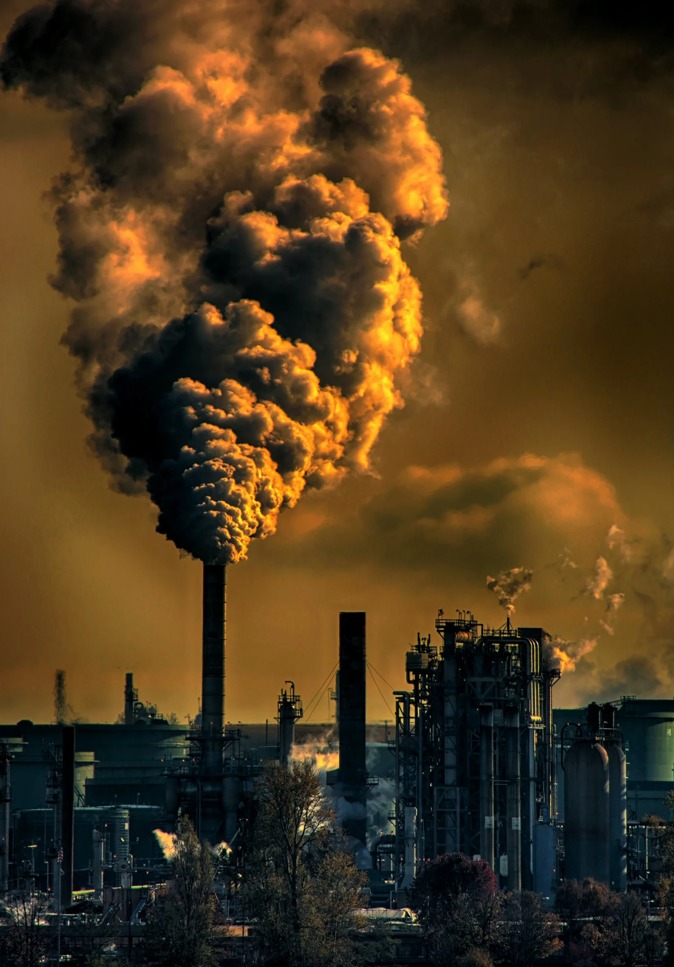
In the penultimate edition, the leaders of the member countries committed to reducing their carbon emissions and developing measures to adapt to the impacts of climate change, as well as providing more support to developing countries.
In 2015, during COP 21, the Paris Agreement was signed, a commitment between 195 countries with the goal of reducing greenhouse gas emissions, which came into effect on November 4, 2016.
The main goal of the Paris Agreement is to keep the increase in the planet’s temperature well below 2°C, aiming to guarantee a low-carbon, adaptable, prosperous and just future for all.
Brazil, for example, committed to reducing its greenhouse gas emissions by up to 37% by 2025 (compared to 2005 levels), extending this goal to 43% by 2030.
- Increase the use of alternative energy sources;
- Increase the share of sustainable bioenergy in the Brazilian energy matrix to 18% by 2030;
- Use clean technologies in industries;
- Improve transportation infrastructure;
- Reduce deforestation;
- Restore and reforest up to 12 million hectares.
The main goals of the Brazilian government are:
COP27 also stipulates that the signatory countries must voluntarily report, every five years, on the progress of their planned goals. And if these goals have been achieved before the deadline, mechanisms should be created to raise them, making them more ambitious and collaborative.
At COP27, the UN will analyze whether these goals have been achieved and define new objectives.
Contribution of Max Plus Company
The good news is that Max Plus Company has a serious commitment to Brazil and to the sustainability of the planet: to contribute to achieving our goal before the deadline.
Always aligned with environmental issues, our vast background in increasingly technological products has allowed us to develop highly sustainable products that inhibit the production of some gases that directly contribute to the greenhouse effect.
We are very proud to say that our Max Therm thermal insulation not only helps Brazil achieve this goal, but also contributes globally to the reduction of carbon emissions.
How?
Our contribution comes from three important fronts:
Because it is a highly reflective and low-emissivity membrane, Max Therm blocks the heating of the roof surface, meaning that no gases generated by heat are produced on the immense areas of industrial roofs, which are largely responsible for the generation of urban heat islands, common in industrial areas.
Our products also rehabilitate industrial roofs, preventing the need to replace them and avoiding the disposal of tons of substrates, including highly toxic asbestos.
The use of white roofs with Max Therm reduces the internal temperature of the environment, leading to a decrease in the use of electricity in air-conditioned or climate-controlled environments. This action allows for the offsetting of up to 10 tons of CO2 for every 100 m² applied per year.
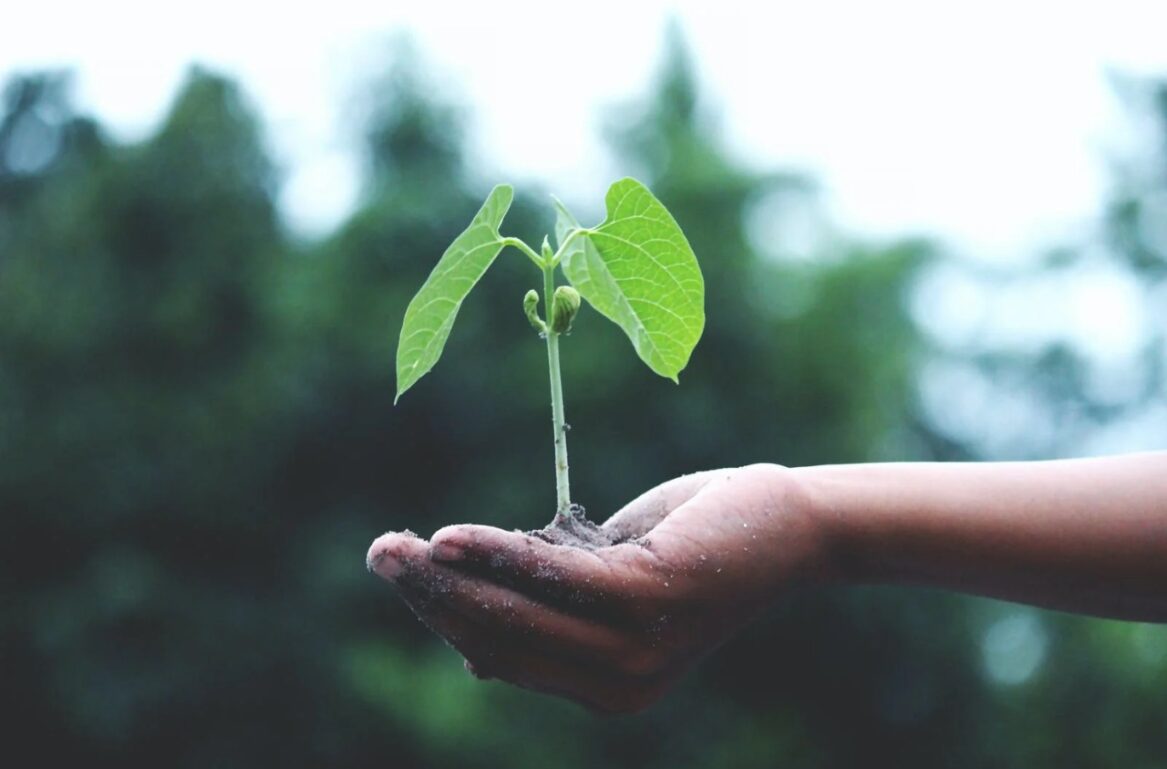
The greenhouse effect has been a reality for years and is getting worse over time. Therefore, agreements made like COP27 and others in the past are extremely important.
More than just a green building, we are talking about survival on planet Earth. And joint actions will make all the difference in the coming years.
